
The question facing contemporary housing development is no longer simply where we live, but how we live together. Across Europe, a quiet revolution is reshaping residential architecture, one that places community at its heart and Cross Laminated Timber (CLT) at its foundation.
A New European Housing Paradigm
From the co-housing clusters of Bridport to the community land trusts transforming London’s neighbourhoods, Europe is witnessing a fundamental shift in residential values. Today’s internationallymobile buyers, particularly professionals seeking work-life integration, are increasingly drawn to developments that offer more than square metres and postal codes. They seek connection, shared purpose, and spaces designed for spontaneous encounter.
This movement towards community-centred housing encompasses co-housing schemes, pocket neighborhoods, and shared-amenity developments, all unified by sustainable materials and intentional design. What’s driving this shift? A growing recognition that isolation carries costs, environmental, social, and personal, that traditional housing models have long ignored.
CLT: The Structural Foundation of Community
Cross Laminated Timber’s unique properties make it ideally suited for community developments. Unlike conventional construction methods, CLT enables rapid, precise assembly of multi-unit structures without compromising individual design quality, privacy, or material integrity.
The material’s prefabricated nature means entire community developments can be constructed in a fraction of traditional timelines, with panels arriving on-site ready for installation. This efficiency doesn’t come at the expense of customization; CLT’s structural versatility allows architects to create diverse dwelling configurations within a unified development, ensuring each home retains its character whilst contributing to the collective whole.
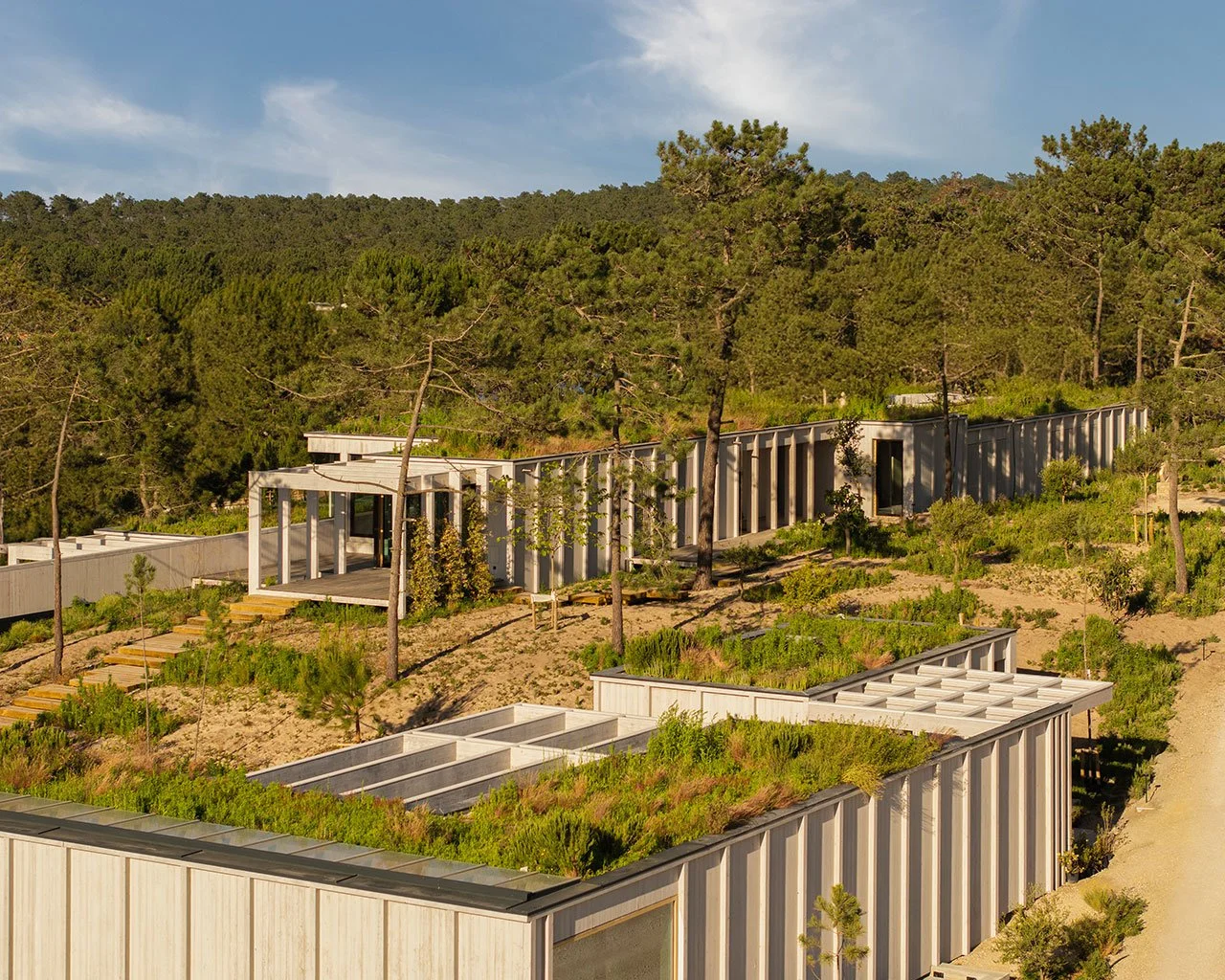
Moreover, CLT’s lightweight properties, up to five times lighter than concrete equivalents, reduce foundation requirements and enable construction on sites previously deemed unsuitable for multi-unit developments.
The Measurable Benefits of Shared Space
The social return on investment of communal spaces extends far beyond feel-good rhetoric. Research from Scandinavia, Switzerland, and the Netherlands demonstrates that shared kitchens, gardens, and gathering areas measurably reduce loneliness, lower per-household carbon footprints, and improve long-term mental health outcomes.
Community spaces foster social cohesion, a factor shown to significantly enhance life satisfaction and provide protective effects against mental health challenges, particularly in urban environments. For developments targeting multi-generational living, these shared spaces become vital infrastructure, enabling the spontaneous intergenerational connections that enrich community life.
Arolla’s Philosophy: Community by Design
At Arolla, community isn’t an amenity; it’s architecture. Our design philosophy embeds collective wellbeing into every spatial decision: shared terraces that encourage evening gatherings, multi-generational configurations that honour both privacy and proximity, and circulation spaces designed not merely for passage but for pause and encounter.
This approach reflects our core values of connection, sharing, and respect for generations. By working with wood, a material that literally breathes, we create spaces that feel alive, inviting residents to engage not just with their homes but with each other and the natural world beyond.
The Economic Argument
Community CLT developments offer compelling financial advantages. Shared infrastructure, from energy systems to gardens, distributes costs across multiple households whilst reducing individual land requirements. Research indicates that well-designed social environments appreciate more reliably than isolated developments, as community cohesion itself becomes a valued asset.
For developers and investors, CLT’s rapid construction timeline translates to reduced financing costs and faster returns, whilst the material’s growing market presence, projected to reach €3.59 billion by 2030, signals strong long-term demand.
Portugal’s Moment
Portugal presents exceptional opportunities for community CLT developments. The Alentejo’s expansive landscapes offer space for ambitious eco-village concepts, whilst Lisbon’s surrounds attract professionals seeking proximity to urban centres without sacrificing connection to nature. The northern coast, with its established sustainable living communities, provides ready-made networks for new developments.
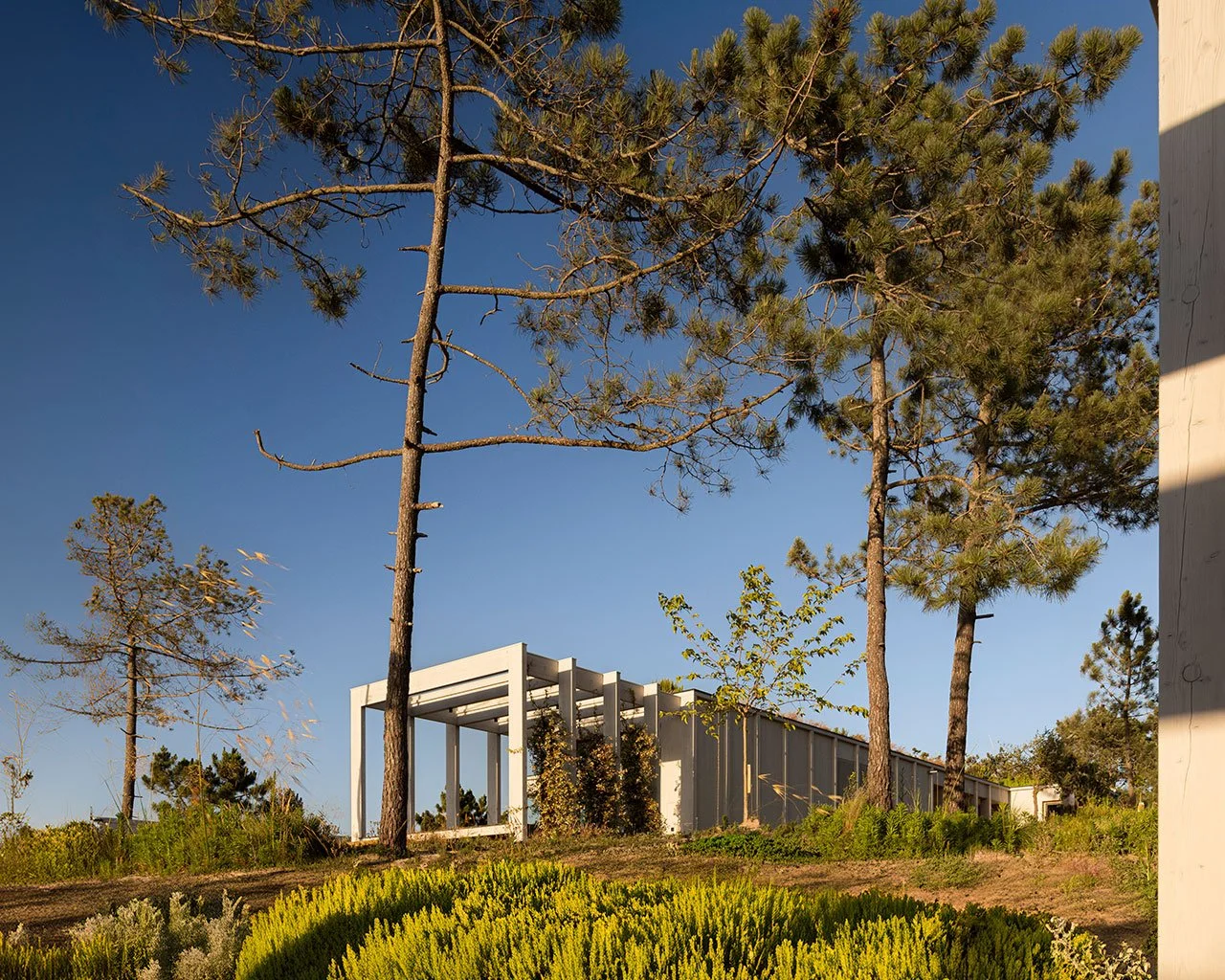
Portugal’s growing reputation as a hub for intentional living, combined with supportive attitudes towards sustainable construction, creates ideal conditions for pioneering community-focused CLT projects.
Conclusion
The future of sustainable housing lies not in perfecting the individual dwelling, but in reimagining the spaces between them. As CLT technology matures and community values deepen, developments that honour both privacy and collective life will define the next chapter of European residential architecture, and Portugal stands ready to write it.