
Building Bonds: Architecture’s Role in Community
As we navigate an era of rapid technological advancement, the importance of thoughtfully designed physical spaces has become increasingly evident. Arolla’s vision goes beyond conventional notions of sustainability, embracing the vital role that community plays in creating truly resilient environments.
Our innovative approach to CLT construction is rooted in this comprehensive perspective, resulting in living spaces that seamlessly blend ecological responsibility with the nurturing of human relationships.
Community: The Hidden Foundation of Sustainability
While the environmental benefits of Cross Laminated Timber are well-documented (from carbon sequestration to reduced construction waste), the social dimension of sustainability often receives less attention. Yet, research consistently demonstrates that strong community bonds lead to more resilient, environmentally conscious neighborhoods.
When people feel connected to their neighbors, they’re more likely to engage in collective sustainable practices. From shared resources to collaborative energy solutions, community becomes the invisible infrastructure supporting environmental goals.
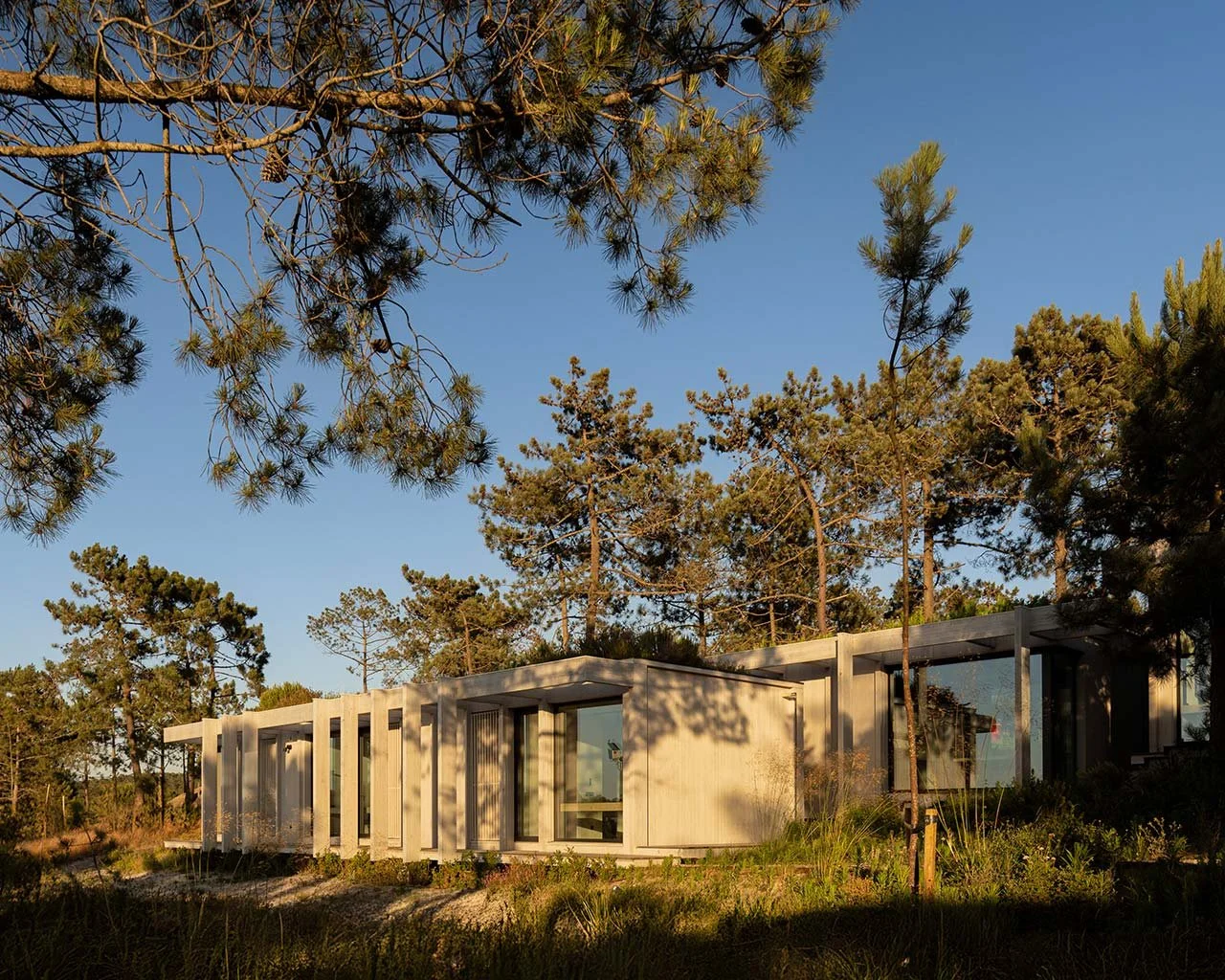
This principle manifests in Arolla’s Dasein concept; more than architectural theory, it’s a philosophy of existence where sustainability emerges naturally from meaningful human interaction. Our designs intentionally blur the boundaries between private and communal spaces, creating environments where neighbors naturally encounter one another, where wisdom passes between generations, and where shared experiences foster collective responsibility for our environmental impact.
Design Elements That Nurture Social Connection
The cornerstone of Arolla’s community-centric approach is a central, multi-purpose space that serves as the heart of each development. Inspired by ancient Greek gathering places (the ÁGORA), these spaces are carefully calibrated to facilitate both planned and spontaneous interactions:
Flexible Common Areas: Spaces that transform from informal morning coffee spots to community workspaces to evening social venues.
Transition Zones: Thoughtfully designed thresholds between private and public realms that encourage casual interaction.
Biophilic Integration: Living elements that connect residents to nature and to each other through shared stewardship.
Acoustic Consideration: CLT’s natural sound-dampening properties create comfortable environments for conversation and connection.
These elements work in harmony with our Multi-Generation Homes (MGH) concept, which embraces the natural evolution of families and communities. Spaces expand and contract as needed, allowing multiple generations to live in proximity without sacrificing independence, but still fostering the intergenerational knowledge transfer so crucial to sustainable practices.
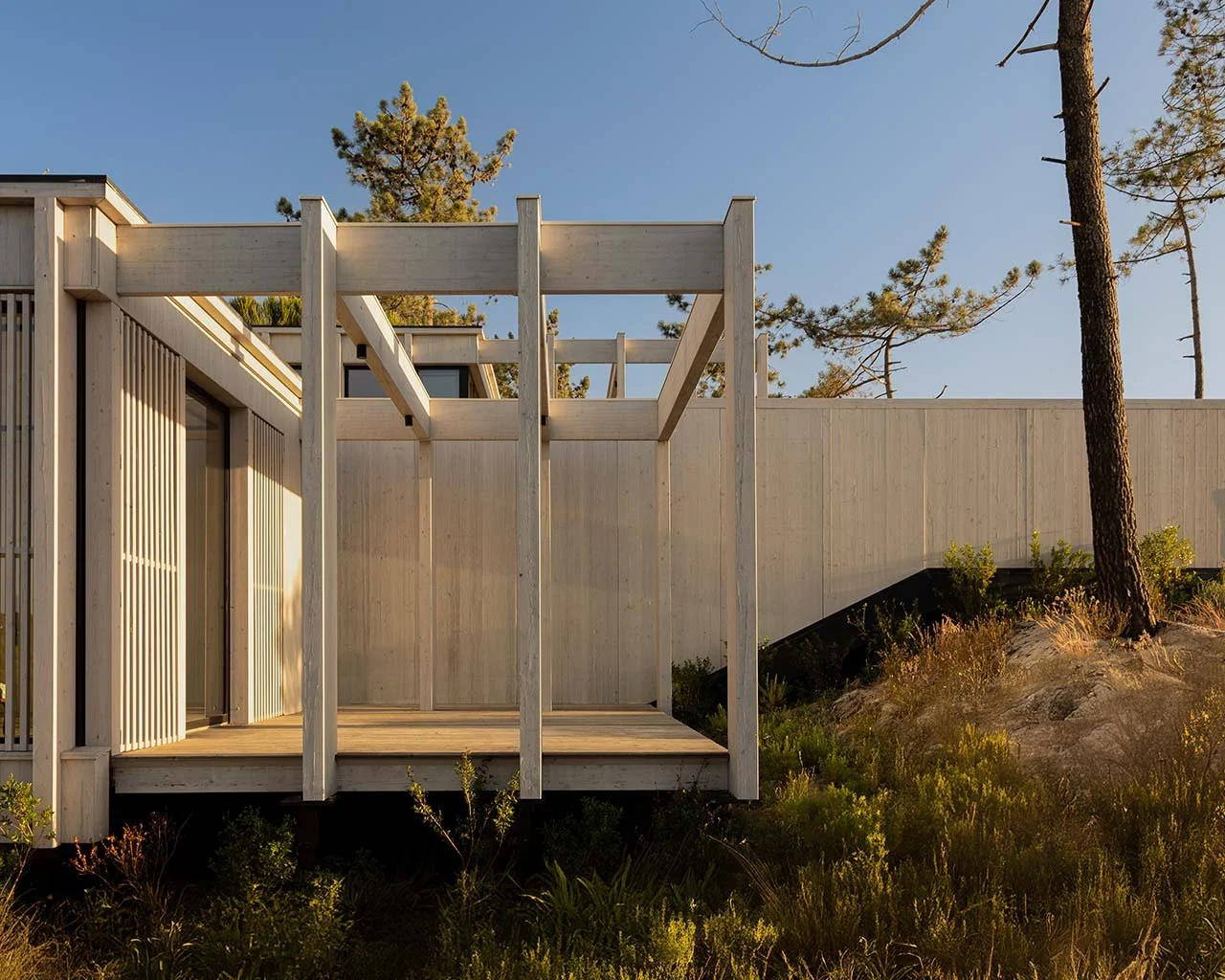
Design Principles for Enhanced Community Wellbeing
Beyond specific elements, several overarching principles guide our approach to community-enhancing architecture:
Psychological Safety Through Physical Design: CLT’s warm aesthetic and tactile qualities create spaces that feel simultaneously protective and welcoming. Research indicates that environments with natural materials like wood reduce stress and promote social interaction.
Balanced Privacy Gradient: Rather than stark divisions between public and private, our designs incorporate semi-private spaces that allow residents to control their level of social engagement while still maintaining visual connections to the community.
Adaptability and Co-Creation: We involve future residents in the design process, ensuring spaces can evolve with the community’s needs and fostering a sense of collective ownership from the outset.
Respect for Local Context: Each Arolla development responds to its specific cultural and geographical setting, reinforcing existing community patterns while introducing sustainable innovations.
The result is more than a collection of beautiful, sustainable homes; it’s an ecosystem of spaces that nurture meaningful connections. As climate challenges intensify, these socially resilient communities will prove as valuable as any technological solution.
When architecture thoughtfully addresses human connection alongside environmental concerns, it creates something greater than the sum of its parts: living environments where sustainability becomes not just a feature, but a natural expression of community life itself.