
How CLT is Transforming Traditional Architecture
Portugal’s architectural landscape is experiencing a profound transformation as Cross Laminated Timber (CLT) construction breathes new life into traditional design principles. At Arolla, we’re pioneering this revival, merging centuries-old Portuguese wood building traditions with cutting-edge sustainable technology to create structures that honor the past whilst embracing the future.
The Forgotten Wooden Heritage
Despite being overshadowed by stone and tile buildings, Portugal has a rich history of timber construction. From the intricate wooden structures of northern Portugal to the seafaring nation’s shipbuilding expertise, wood has long been integral to Portuguese architectural identity. In regions like Douro and Minho, traditional wooden houses with their characteristic granaries (espigueiros) showcased sophisticated timber craftsmanship that optimized local resources and climate adaptation.
However, as concrete and steel dominated 20th-century construction, much of this wooden heritage has faded from contemporary practice, until now.
CLT: The Bridge Between Tradition and Innovation
Cross Laminated Timber offers unprecedented opportunities to revitalize traditional Portuguese forms whilst meeting modern sustainability demands. Unlike historical timber methods limited by the strength of single wooden elements, CLT’s engineered precision allows for structural performance that rivals concrete whilst maintaining wood’s warmth and character.
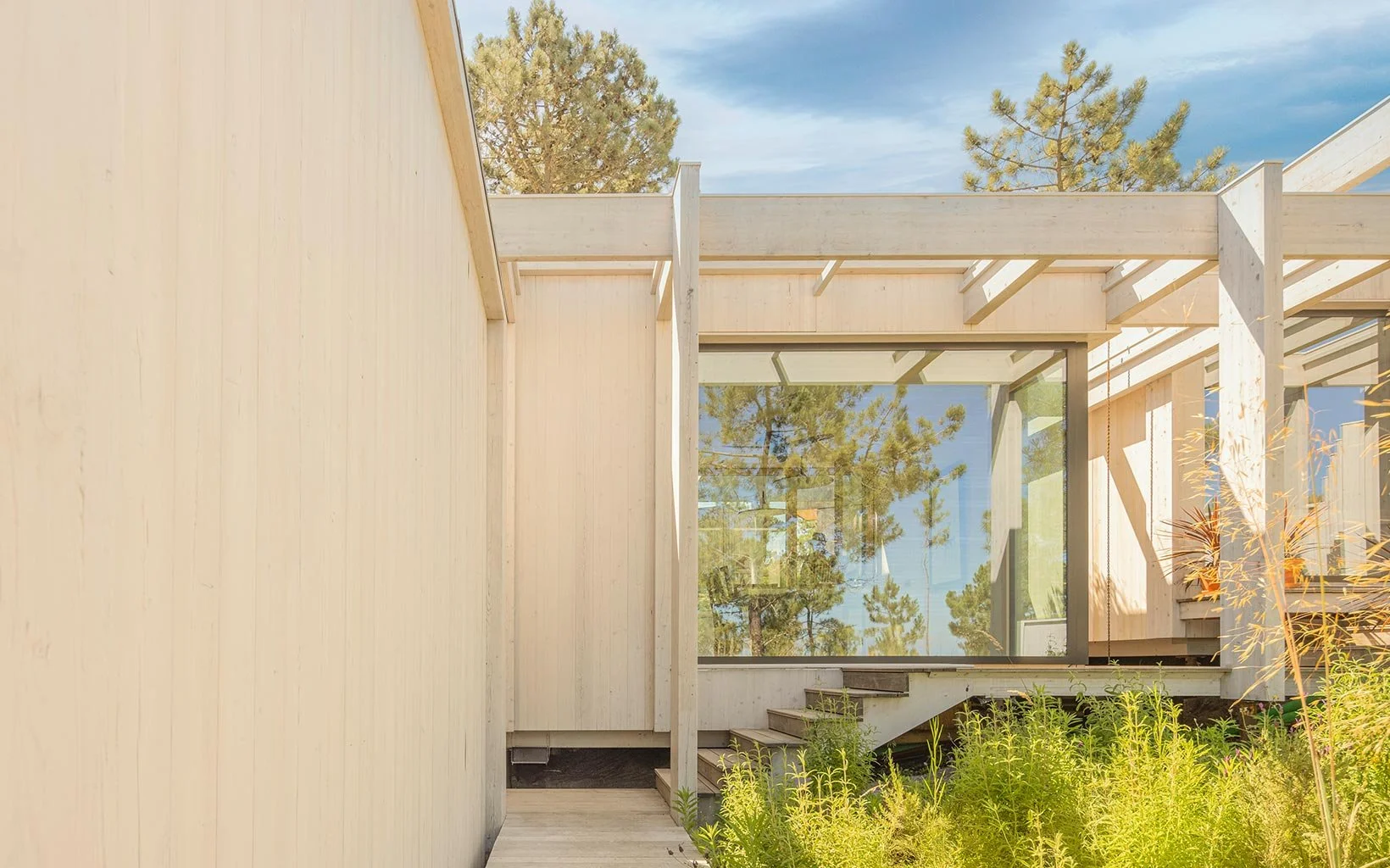
The layered, cross-directional composition of CLT panels enables the recreation of traditional Portuguese architectural elements with improved durability and earthquake resistance, crucial considerations in the Iberian context. From the distinctive overhanging roofs of northern Portugal to the intricate wooden balconies of historic town centers, CLT makes possible what once seemed lost to history.
Fusion Design: Where Centuries Meet
The most compelling examples of this architectural revival occur where traditional Portuguese motifs meet modern CLT capabilities. At Arolla, our design philosophy centers around our ÁGORA concept, a multi-purpose core space that echoes Portugal’s communal plazas whilst leveraging CLT’s open-span potential.
For example, in rural settings, CLT enables contemporary interpretations of traditional farmhouses with thermal performance, that historical structures could never achieve. In urban environments, infill projects using CLT can pay homage to historic wooden façades whilst providing thoroughly modern interior experiences.
The precision engineering of our factory-produced CLT panels allows for both faithful recreation of traditional ideas and bold contemporary expressions that wouldn’t be possible with conventional materials.
Building a Sustainable Portuguese Identity
The architectural revival that CLT can bring transcends aesthetics; it represents a reclamation of Portuguese cultural identity through sustainable practices. By choosing locally sourced timber processed in Portugal, these projects strengthen regional economies whilst reducing carbon footprints. Each CLT structure becomes both a celebration of Portuguese heritage and a testament to forward-thinking environmental stewardship.
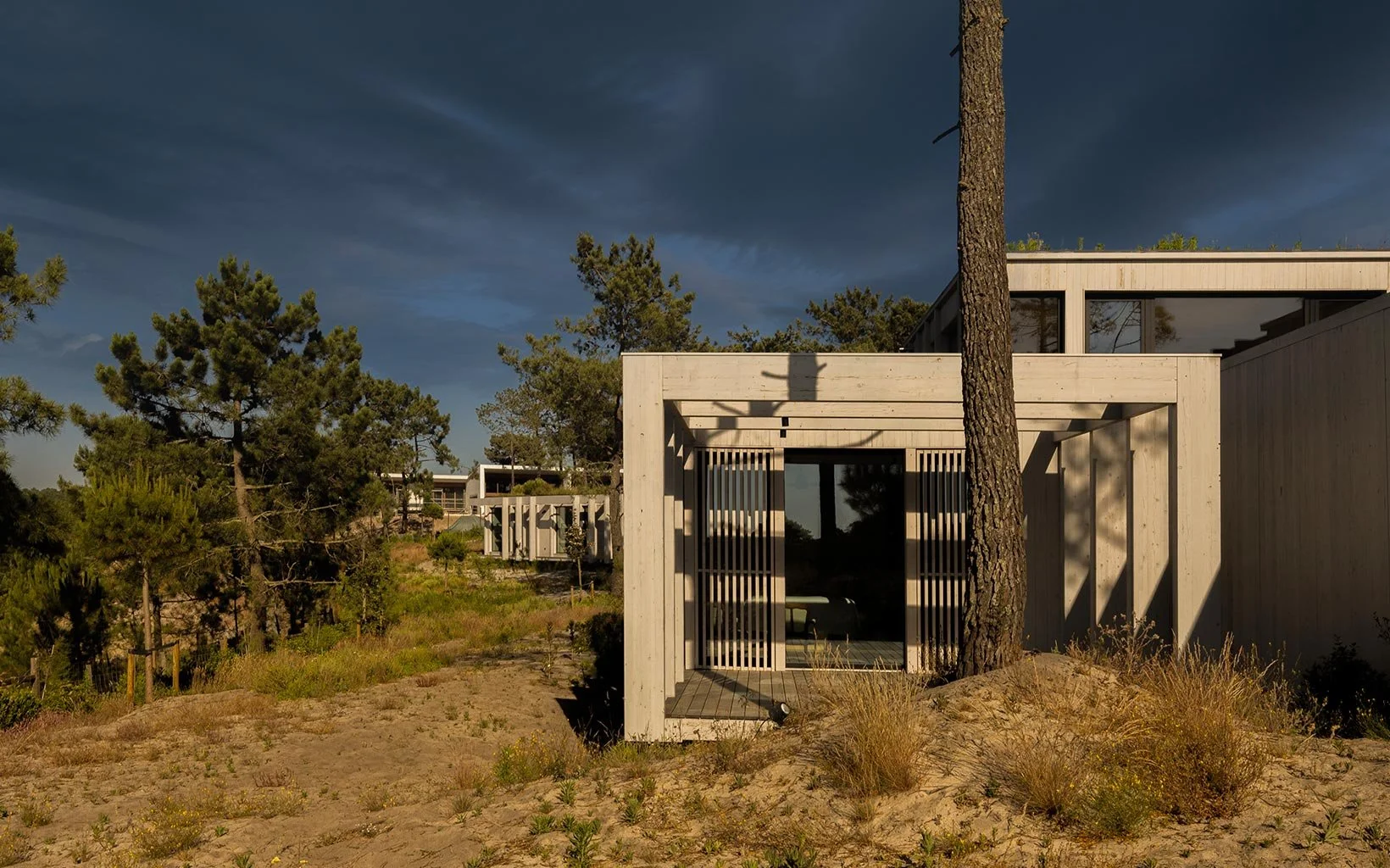
The resurrection of wood as a primary construction material reconnects modern Portuguese society with its pre-industrial wisdom of living harmoniously with nature; a philosophy that Arolla embodies in every project.
The Path Forward
As Portugal faces growing environmental challenges, CLT construction offers a pathway that honors the nation’s architectural traditions whilst addressing contemporary needs. This revival isn’t merely nostalgic; it’s pragmatically visionary proving that cultural preservation and sustainable innovation can powerfully reinforce each other.