
Building Resilience with CLT: Adapting to a Changing World
In an era of unprecedented environmental challenges, the construction industry faces a critical task: creating homes that can withstand the test of time and adapt to our changing world. Enter, Cross Laminated Timber (CLT), a revolutionary building material that’s redefining resilience in construction.
At Arolla, we are harnessing the power of CLT to build homes that not only stand strong but also evolve with our environment and communities.
The Strength to Endure
CLT’s remarkable structural strength is at the heart of its resilience. This engineered wood product, composed of layers of timber boards stacked crosswise and bonded with eco-friendly adhesives, boasts a strength-to-weight ratio that rivals steel and concrete. In fact, CLT structures can be up to five times lighter than their traditional counterparts, without compromising on durability.
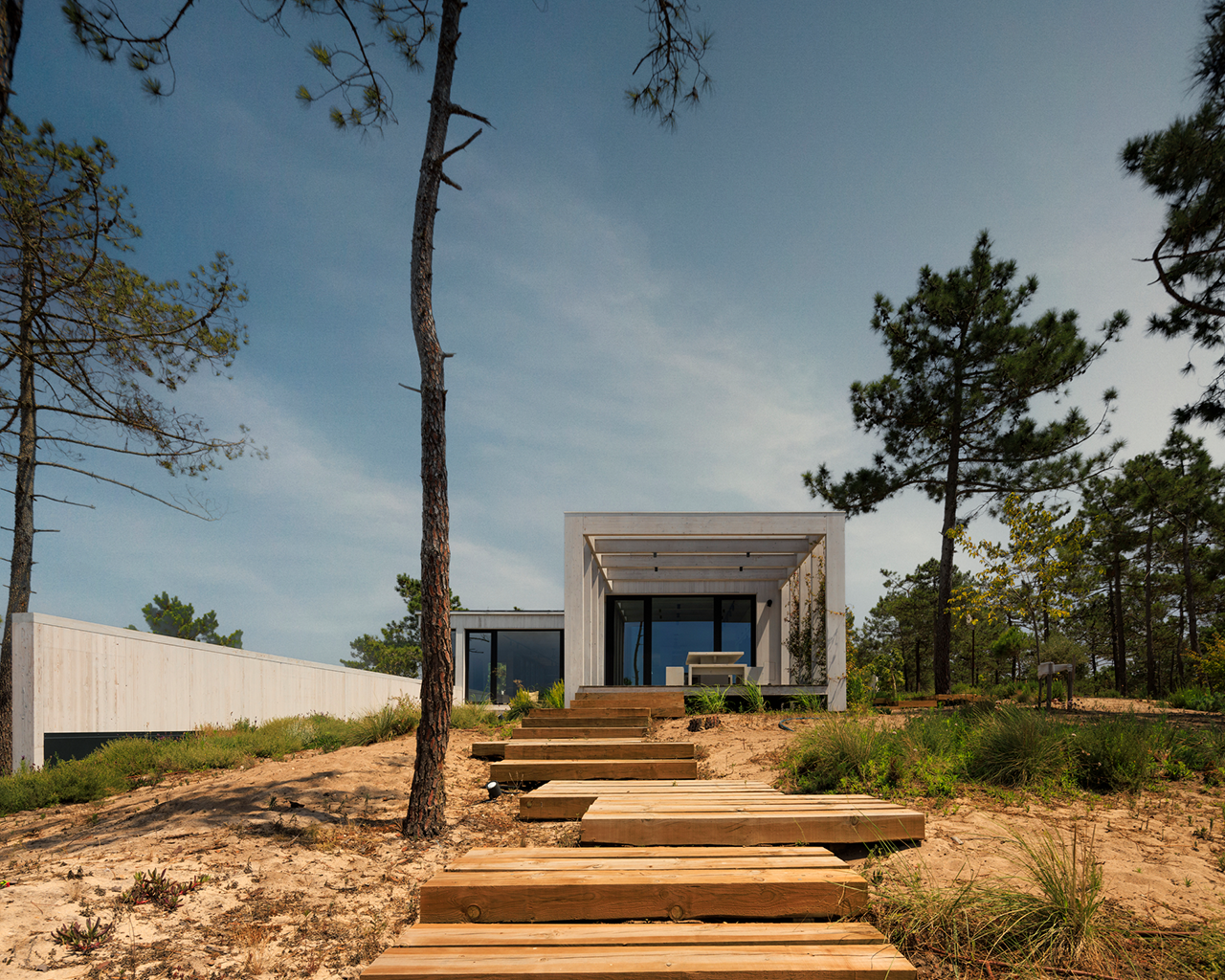
This inherent strength translates to buildings that can better withstand extreme weather events, from hurricanes to earthquakes. CLT’s unique composition allows it to flex and absorb energy, rather than crack or crumble under pressure. This resilience is crucial as we face increasingly unpredictable climate patterns.
Adapting to a Changing Climate
Climate change presents a moving target for the construction industry. Temperatures are rising, weather patterns are shifting, and sea levels are creeping upwards. CLT’s versatility makes it an ideal material for adapting to these changes.
The natural properties of wood allow CLT structures to regulate internal temperatures more effectively than traditional buildings. This passive temperature control reduces the need for energy-intensive heating and cooling systems, making CLT homes more resilient to energy price fluctuations and power outages.
Moreover, the precision engineering of CLT panels allows for rapid modifications and additions to existing structures. This adaptability ensures that homes can evolve with changing environmental conditions and family needs, extending their lifespan and reducing the need for resource-intensive new constructions.
Sustainability for Generations
At Arolla, we believe in building not just for today, but for generations to come. CLT embodies this philosophy perfectly. As a renewable resource, timber used in CLT production can be replenished within decades, unlike the centuries required for traditional building materials to form.
CLT’s sustainability credentials extend beyond its sourcing. During its growth, timber sequesters carbon dioxide, and this carbon remains locked within the CLT structure for the building’s entire lifespan. A typical CLT building can store up to 1 ton of CO2 per cubic meter of wood used, significantly offsetting the carbon footprint of construction.
Furthermore, CLT’s precision manufacturing process results in minimal waste, and any offcuts can be used for other purposes or as biofuel. At the end of a building’s life, CLT components can be disassembled and repurposed, embracing the principles of a circular economy.
Building Communities, Respecting Nature
At Arolla, we see CLT as more than just a building material; it’s a bridge between human habitation and the natural world. Our CLT projects are designed to foster a sense of community and connection with nature. Large, open spaces made possible by CLT’s structural properties encourage shared living and multi-generational interaction.
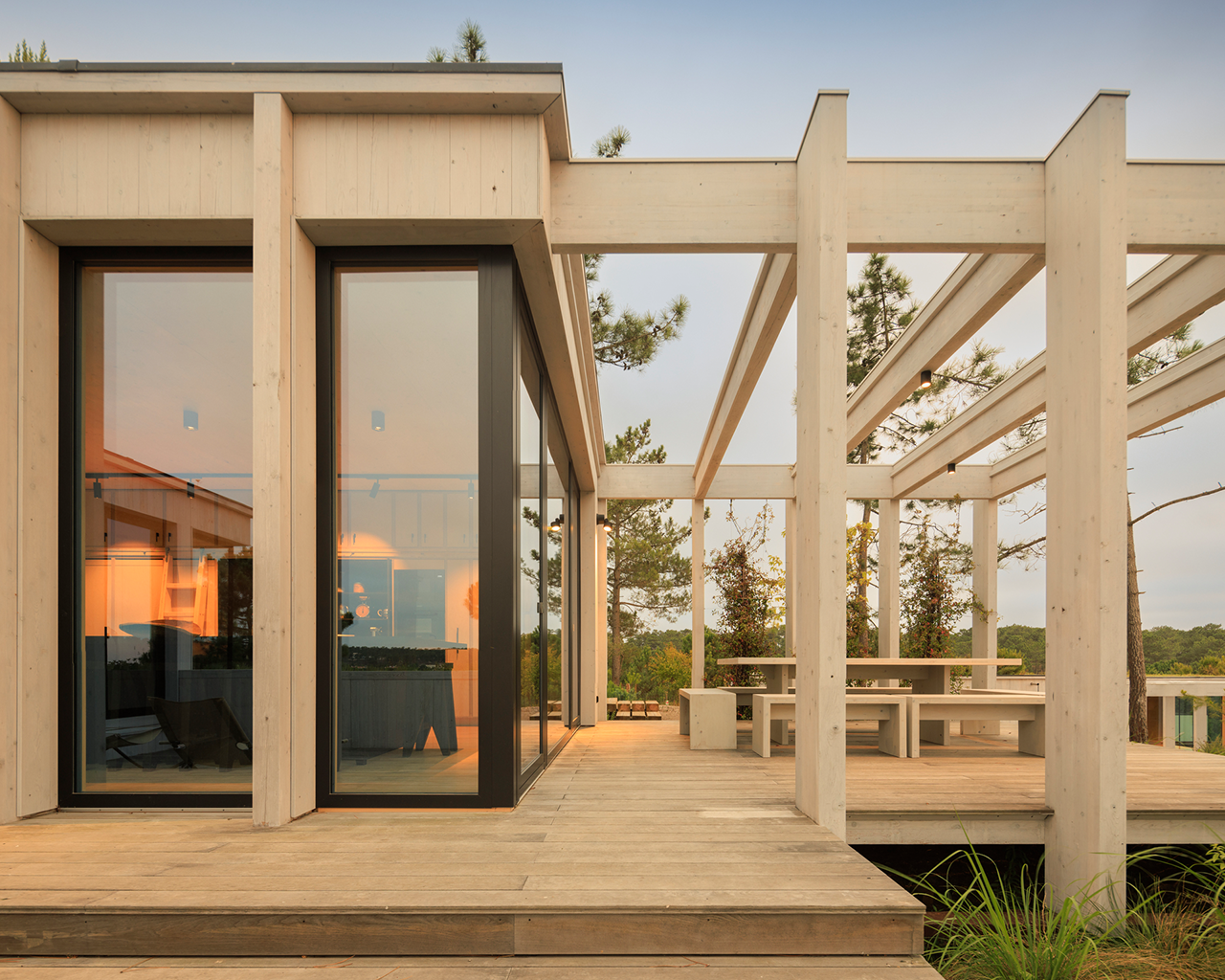
The warm, natural aesthetics of exposed CLT panels create a biophilic environment, promoting wellbeing and a deeper respect for nature among residents. This connection to nature is not just about aesthetics; it’s about creating spaces that remind us of our responsibility to the environment and future generations.
Embracing Resilience
As we navigate the challenges of the 21st century, resilience in construction is no longer a luxury, but it’s a necessity. CLT offers a solution that is not only structurally sound and adaptable but also aligns with our values of sustainability and community.
At Arolla, we’re committed to pushing the boundaries of what’s possible with CLT. We’re not just building homes; we’re creating legacies, structures that will stand strong, adapt gracefully, and continue to sequester carbon for generations to come.
By embracing CLT, we’re not just preparing for the future; we’re actively shaping it. We’re creating a world where our homes work in harmony with nature, adapt to our changing needs, and stand as testaments to human ingenuity and environmental stewardship.