
The Unique Nature of CLT Homes
As the sun peeks through the budding trees and the first flowers of spring emerge, homeowners across Europe begin their annual ritual of spring cleaning. Cross Laminated Timber construction represents a paradigm shift in sustainable building. Yet many property managers apply conventional maintenance approaches that can compromise both performance and environmental benefits.
Unlike traditional construction materials, CLT panels respond dynamically to seasonal changes. Effective sustainable home maintenance begins with understanding your building materials and respecting their natural characteristics.
Natural Cleaning Methods for Wood Surfaces
The heart of a CLT home lies in its wooden structure, and maintaining its beauty requires gentle care. Traditional natural wood cleaning methods protect both surfaces and environment whilst maintaining the aesthetic appeal that makes CLT construction so compelling. White vinegar solutions (1:10 ratio with water) effectively remove surface grime without penetrating the timber’s protective finish. For deeper cleaning, castile soap provides gentle yet thorough cleansing that preserves wood fibers.
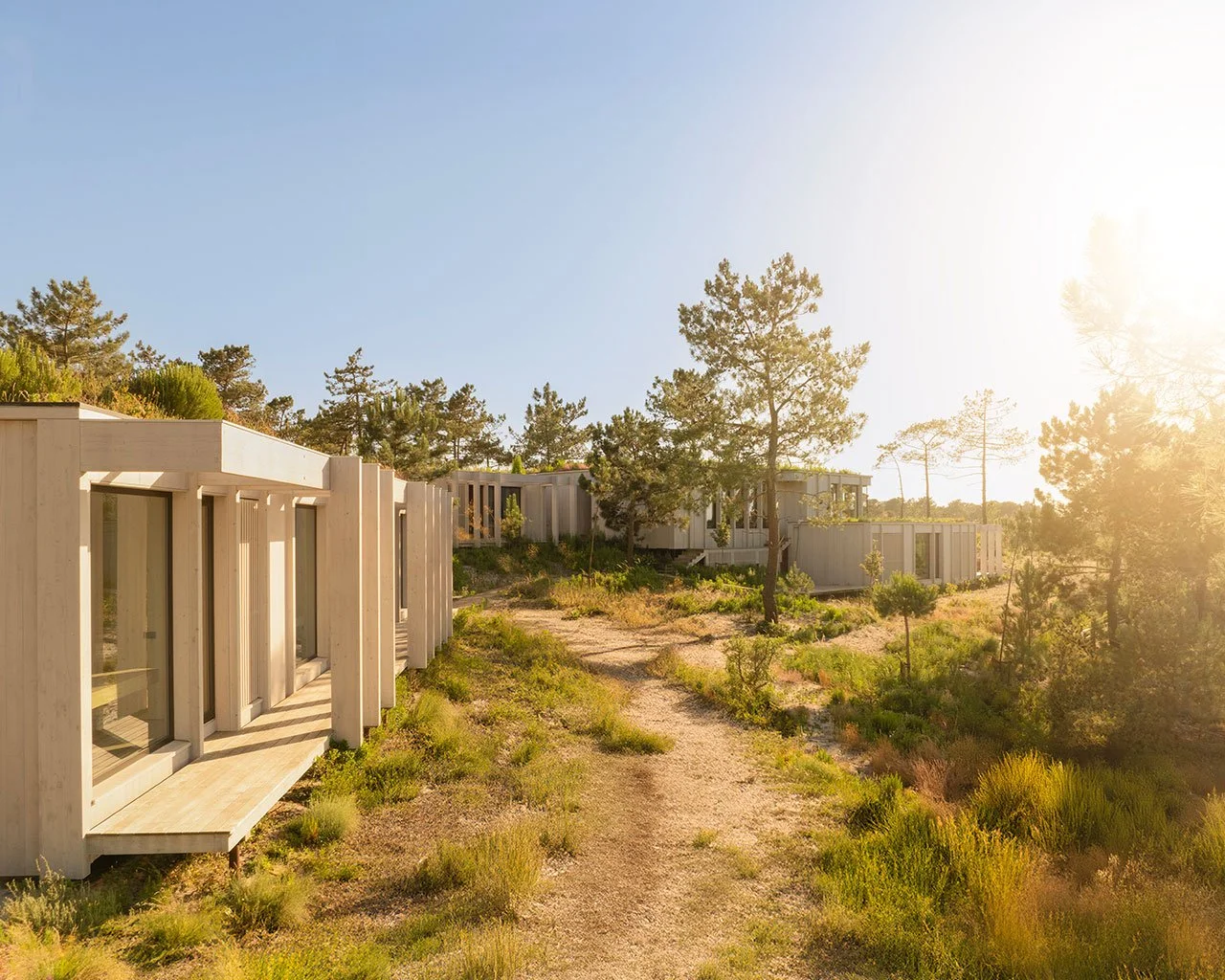
These spring-cleaning tips focus specifically on timber construction requirements: always clean along the grain direction, avoid excessive moisture application, and ensure complete drying between cleaning sessions. Microfiber cloths capture dust particles without scratching surfaces, whilst natural bristle brushes handle textured areas effectively.
Essential oils like tea tree or lavender can be added to cleaning solutions, providing antimicrobial properties whilst leaving pleasant, natural fragrances that enhance indoor air quality.
Long-term Care Strategies for CLT Homes
Caring for a CLT home is an investment in the future. Successful CLT maintenance programs balance immediate needs with generational thinking, reflecting Arolla’s commitment to buildings that serve communities across decades. Develop maintenance schedules that align with natural seasonal cycles, conducting major inspections during spring and autumn transitions.
Document all maintenance activities, creating historical records that inform future care decisions. This systematic approach enables property managers to identify patterns, predict maintenance needs, and budget accordingly for long-term building performance.
Cost Savings Through Preventive Maintenance
Modern eco-friendly home care practices reduce chemical exposure whilst maintaining effectiveness, but the financial benefits extend far beyond immediate cost comparisons. Preventive maintenance typically costs 20-30% less than reactive repairs, whilst extending building component lifespans significantly.
CLT buildings maintained using sustainable methods often achieve 15-20% better energy performance than those cleaned with harsh chemicals that can degrade surface treatments. This translates directly into reduced operational costs and enhanced property values.
Insurance providers increasingly recognize well-maintained sustainable buildings as lower-risk investments, potentially reducing premium costs for properties with documented maintenance programs.
Environmental Impact of Sustainable Upkeep
The choice to live in a CLT home often stems from a commitment to sustainability and this ethos should extend to maintenance practices. By using eco-friendly cleaning products and adopting sustainable maintenance techniques, homeowners can minimize their environmental impact. Natural cleaning products eliminate chemical runoff that can affect local water systems, whilst reducing packaging waste through concentrated formulations and reusable containers.
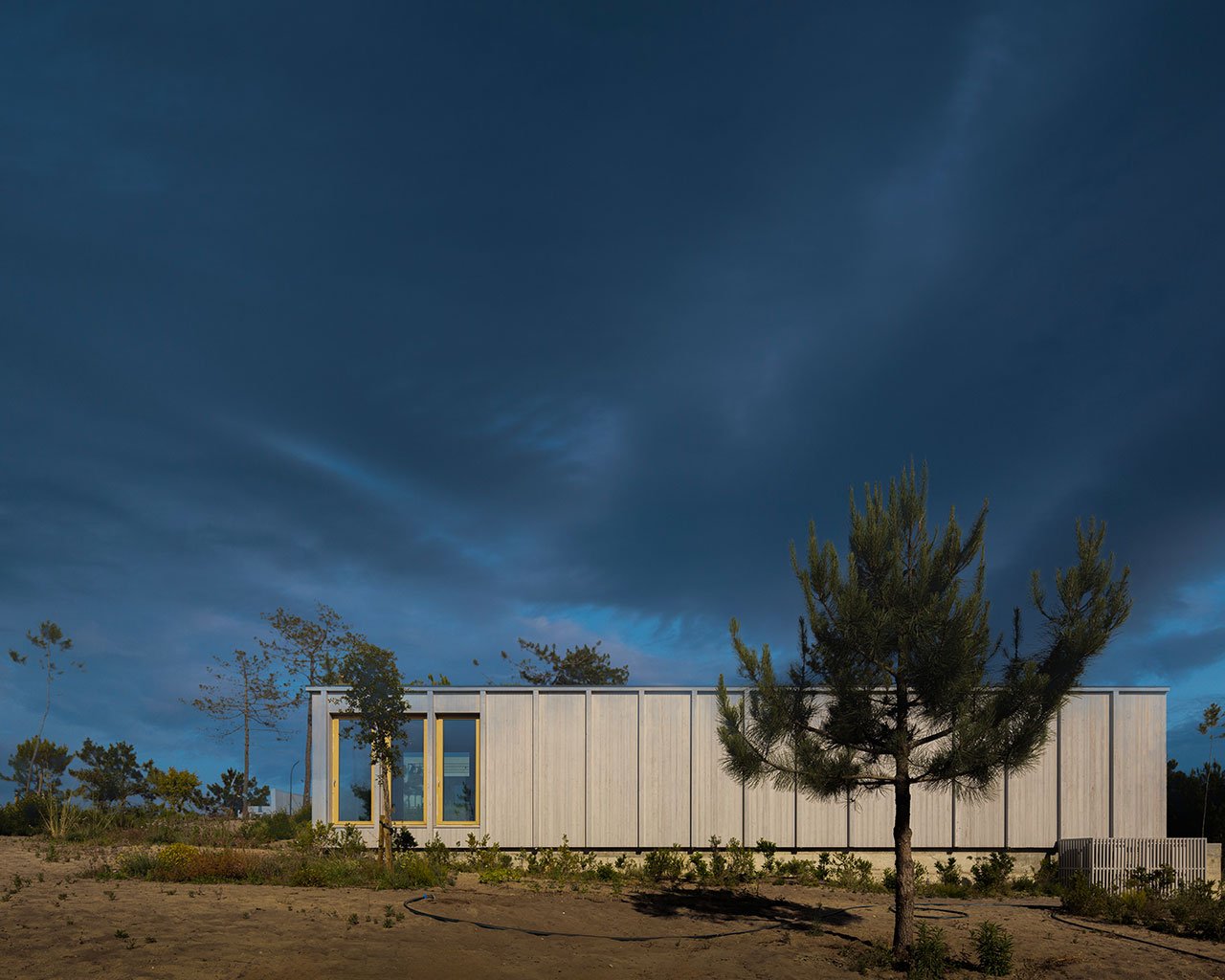
CLT buildings maintained using sustainable methods continue sequestering carbon throughout their service lives, contributing to long-term climate goals. This alignment between building performance and environmental stewardship creates value that resonates with environmentally conscious tenants and investors.
Nurturing Your CLT Investment
Owning a CLT home is more than just a housing choice; it’s a commitment to sustainable living and a connection to nature. Caring for CLT homes requires understanding, respect, and commitment to practices that honor both the natural materials and the environmental values they represent. Through thoughtful maintenance approaches that combine traditional wisdom with modern sustainability principles, property professionals can ensure these remarkable buildings continue serving communities for generations.
The investment in proper CLT home maintenance pays dividends through enhanced performance, reduced operational costs, and alignment with evolving environmental standards that increasingly influence property values and marketability.