
Designing for Generations: Flexible Spaces for Evolving Family Needs
In recent years, the concept of multi-generational living has gained significant traction across Europe. Families are increasingly choosing to live together, driven by factors such as rising housing costs, the desire for stronger family bonds, and the need to care for ageing relatives. This shift in living arrangements has sparked a revolution in home design, with a focus on creating flexible spaces that can adapt to the evolving needs of different generations under one roof.
The Importance of Adaptable Spaces
Adaptability is the cornerstone of successful multi-generational living. Homes must be designed to accommodate changing family dynamics, from young children to elderly grandparents, and everything in between.
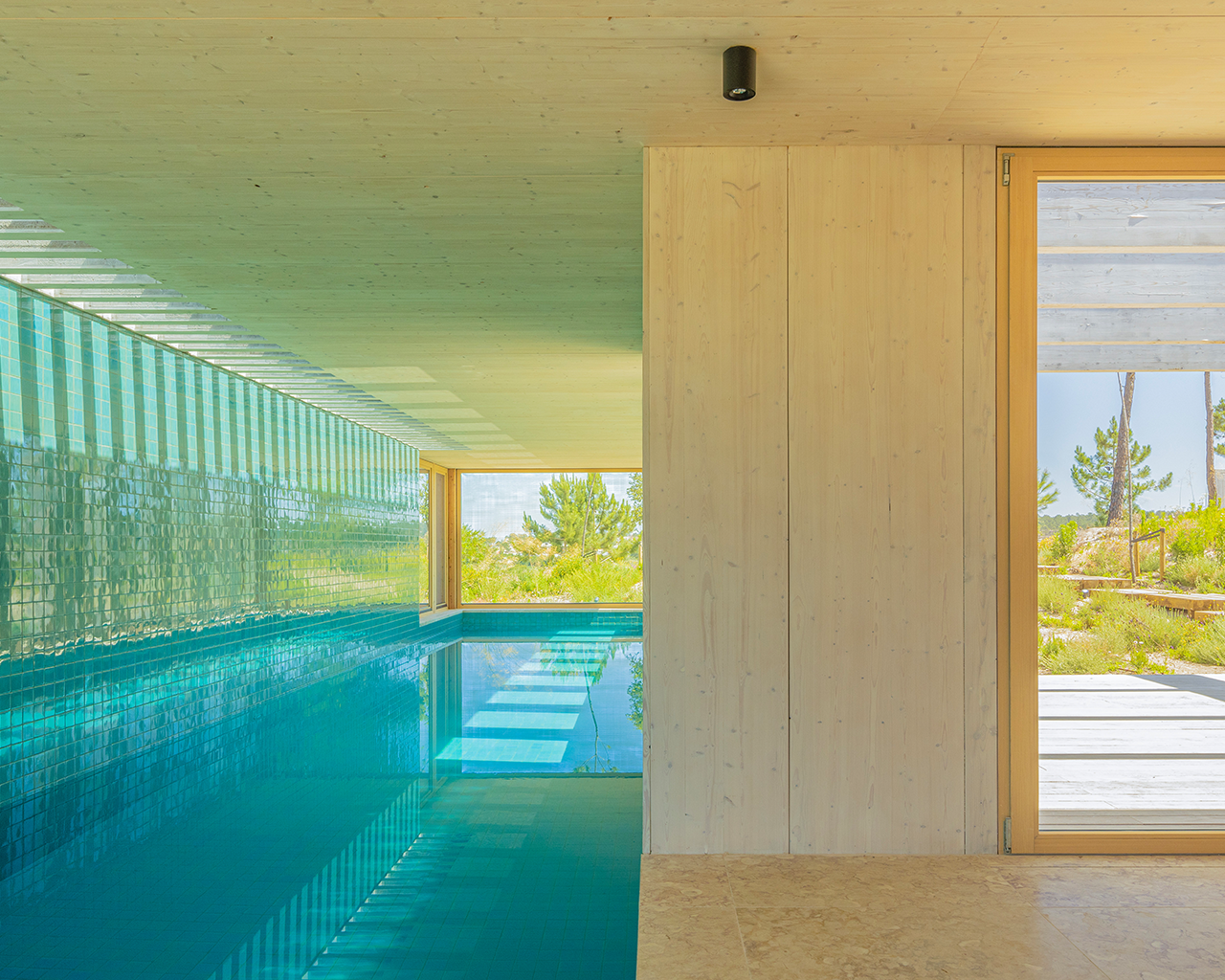
Flexible room designs allow families to modify their living spaces as needs change, ensuring that the home remains functional and comfortable for all residents over time.
Flexible Room Design Strategies
To create truly adaptable homes, designers are employing a range of innovative strategies:
Modular Layouts: Rooms with movable walls or partitions allow for easy reconfiguration of spaces.
Multi-Purpose Rooms: Spaces that can serve multiple functions, such as a home office that converts into a guest bedroom.
Open Floor Plans: Large, open areas that can be divided or repurposed as needed.
Universal Design: Incorporating features that are accessible to all ages and abilities, such as wider doorways and step-free entrances.
Smart Storage Solutions: Built-in storage that maximizes space efficiency and adapts to changing needs.
A Multi-Generational CLT Home
In a multi-generational CLT home, the ground floor can feature a self-contained suite for grandparents, complete with a bedroom, ensuite bathroom, and small living area. The main living area should be an open-plan space that can be reconfigured using sliding partitions.
In a second floor, two bedrooms can be combined or separated as needed, while a loft space serves as a playroom for young children, with the potential to become a teenage retreat or home office in the future.
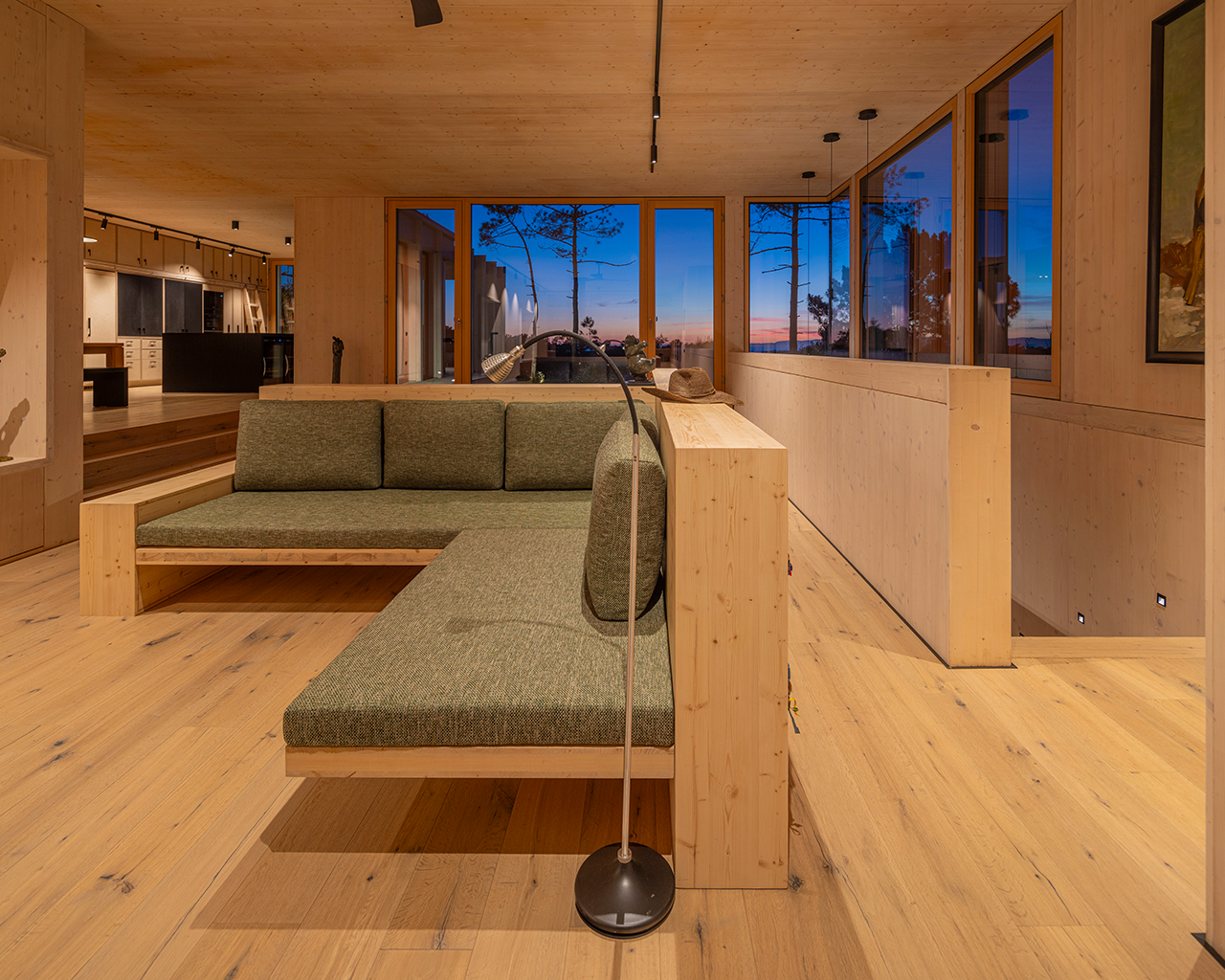
This thoughtful design allows you to comfortably accommodate three generations today, with the flexibility to adapt as a family evolves over time.
Designing for the Future
As we look to the future of housing, it’s clear that flexible, multi-generational homes will play an increasingly important role. By embracing adaptable design principles and sustainable materials like CLT, we can create homes that not only meet the needs of today’s families but also adapt seamlessly to the challenges and opportunities of tomorrow.
At Arolla, we believe that homes should grow and change with the families who inhabit them. Our commitment to flexible design, sustainable construction, and the use of CLT allows us to create living spaces that foster community, connection, and respect for nature across generations. By designing for adaptability, we’re not just building houses; we’re creating enduring family homes that stand the test of time.