
The Heirloom House: Passing Down More Than Walls
There’s a profound difference between a house and an inherited home. One is a transaction; the other is legacy. Whilst the property market often fixates resale value and short-term returns, a quieter revolution is unfolding; one where families are building not for the next buyer, but for the next generation.
At the heart of this shift lies Cross Laminated Timber (CLT), a construction material that’s redefining what it means to build for permanence. But this isn’t just about technical durability. It’s about creating spaces that become woven into the fabric of family history; homes that grandparents, parents , and children can each call their own.
Beyond Bricks and Mortar: The Inherited Home
Walk into a truly inherited home, and you’ll feel the difference immediately. They’re spaces that carry stories, witness milestones, and anchor family identity across decades. In an era where the average homeowner moves every seven years, the concept of a multi-generational family home feels almost radical.
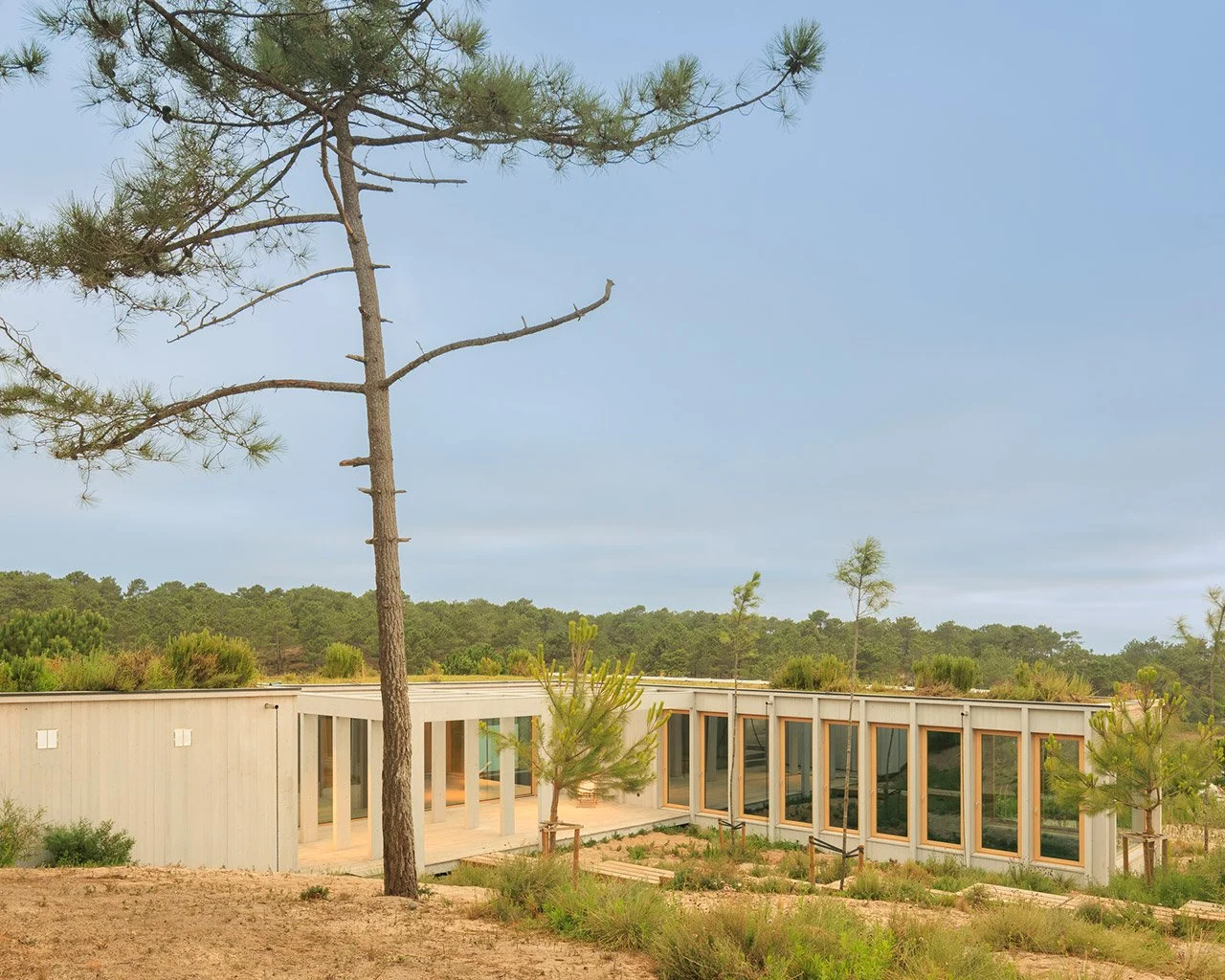
Yet families who inherit homes speak of something beyond financial value. They describe the kitchen table where three generations gathered; the doorframe marked with children’s heights spanning fifty years, the garden planted by hands now stilled. These homes become repositories of collective memory and increasingly, they’re being built with CLT.
The Dual Inheritance: Emotion and Economics
The beauty of CLT construction lies in its capacity to deliver both emotional resonance and financial prudence. Emotionally, timber creates warmth that concrete and steel cannot replicate. The material breathes, ages gracefully, and maintains a connection to nature that resonates across generations. Children who grow up in CLT homes develop an intuitive understanding of sustainable living, an inheritance more valuable than property deeds.
Financially, the mathematics are equally compelling. Whilst Europe’s sustainable finance market continues its robust growth, with substantial investment flowing toward environmentally responsible assets, CLT homes are appreciating not despite their sustainability credentials, but because of them. These properties require minimal renovation, maintain structural integrity for centuries, and increasingly command premium valuations as environmental regulations tighten and buyer preferences shift.
Adaptability Across Generations
Perhaps the most remarkable characteristic of CLT homes is their generational adaptability. The same open-plan living space that accommodates a young family’s chaos transforms seamlessly into a grandmother’s serene retreat. Ground-floor bedrooms that serve children become accessible spaces for ageing parents. The structural flexibility of CLT allows for modifications without compromising integrity; walls can be repositioned, spaces reimagined, functions evolved.
This adaptability extends beyond physical space. As families grow, contract, and reconfigure, CLT homes accommodate without requiring wholesale reconstruction. It’s architecture that respects the fluidity of family life whilst providing enduring shelter.
The Environmental Inheritance
Building with CLT represents a profound act of environmental stewardship; one that extends the concept of inheritance beyond family to encompass planetary responsibility. Each CLT structure sequesters carbon for its entire lifespan, effectively removing CO₂ from the atmosphere for generations. When you build using timber, you’re not merely constructing a home; you’re planting a forest in vertical form.
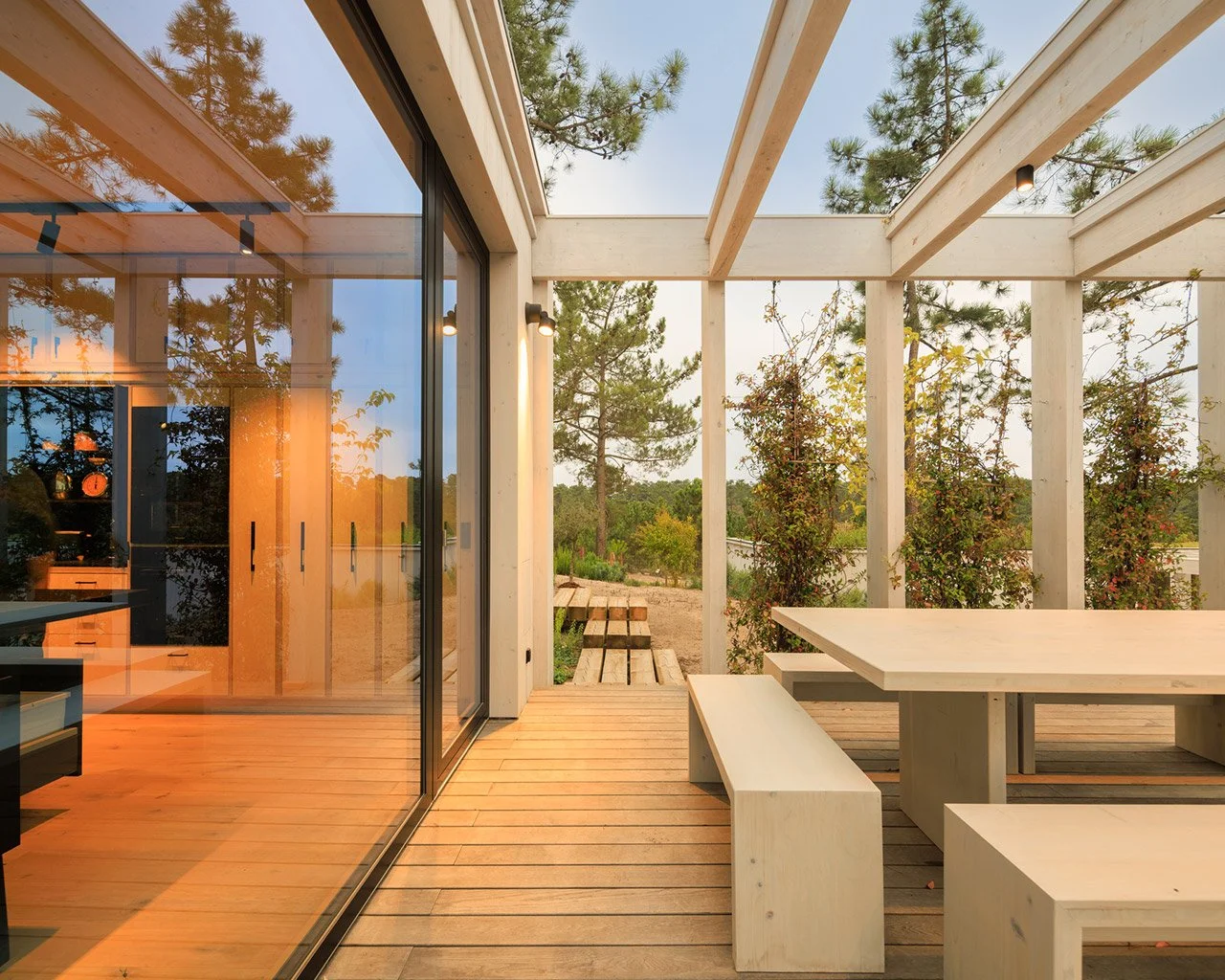
For family's conscious of their environmental legacy, this matters deeply. The home you pass to your children becomes a statement of values, a tangible demonstration that comfort and sustainability need no conflict. In an age where 88% of Europeans identify affordable, energy-efficient housing as a priority, CLT homes answer both imperatives.
Build for Inheritance, Not for Sale
The property industry has long operated on a model of perpetual transaction: build, sell, move on. But the most meaningful homes are never built for sale.They’re built for inheritance, designed with the understanding that their true value accrues not in market fluctuations but in accumulated memory, in children’s laughter echoing through timber halls, in the quiet satisfaction of knowing your grandchildren will gather beneath the same roof.
CLT construction makes this vision tangible.It offers the rare combination of environmental responsibility, structural longevity, financial wisdom, and emotional resonance. These aren’t houses. They’re heirlooms; built not for the next transaction, but for the next generation, and the one after that.
In choosing to build with CLT, you’re making a declaration: that some things are meant to last, that legacy matters, and that the most valuable inheritance isn’t measured in pounds sterling but in the enduring shelter of home